M Series Helical Gear Unit About
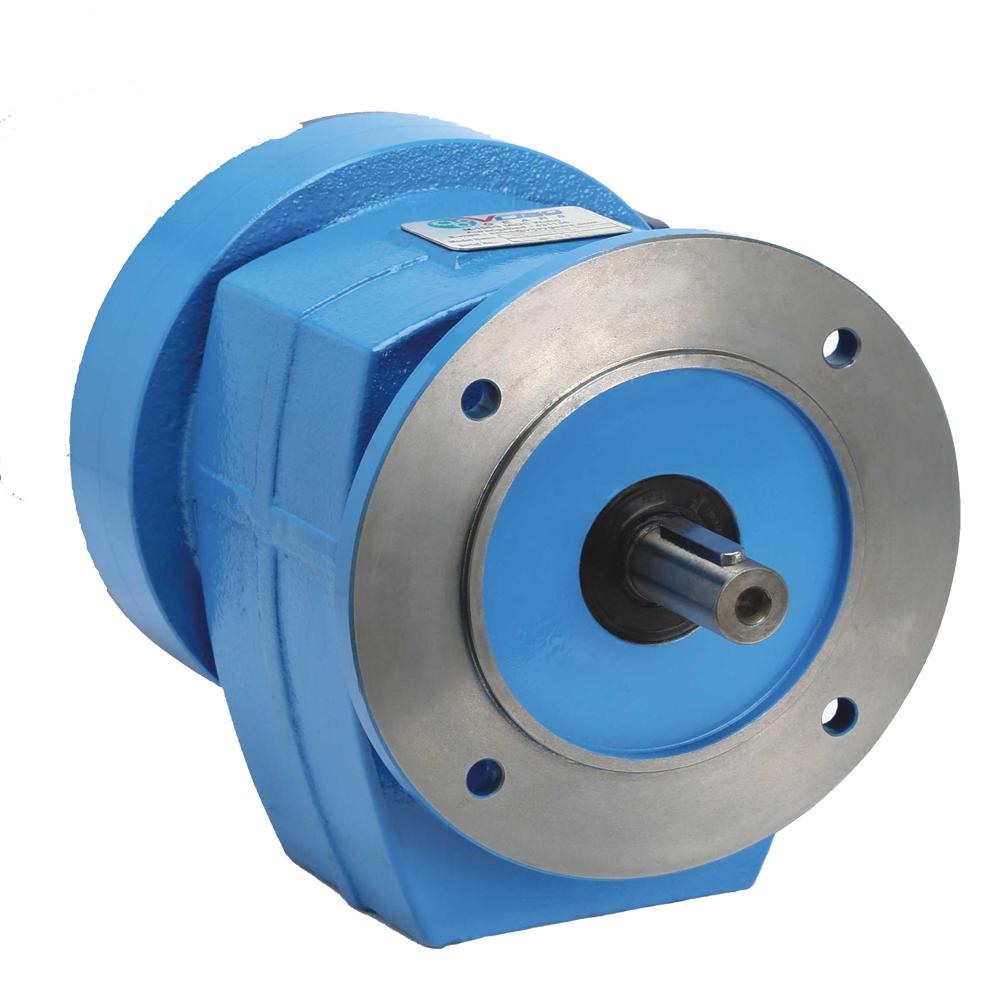
Three Stage Helical Gear Box DescriptionA Three Stage Helical Gear Box is a heavy-duty power transmission unit designed with three sets of helical gears to achieve high torque output and a wide range of speed reduction ratios. Its multi-stage configuration ensures smooth power transfer, low noise, and high efficiency, making it ideal for demanding industrial applications.
Key Features:
-
Three-Stage Gear Arrangement: Provides higher reduction ratios and superior torque multiplication.
-
High Efficiency: Precision-cut helical gears ensure smooth, efficient power transmission.
-
Heavy-Duty Construction: Housing made from high-strength cast iron or fabricated steel.
-
Low Noise Operation: Helical geometry reduces vibration and noise during operation.
-
High Load Capacity: Hardened and ground gears designed for continuous heavy-duty performance.
-
Mounting Options: Foot-mounted, flange-mounted, and shaft-mounted versions available.
-
Optimal Lubrication: Designed for effective heat dissipation and long service intervals.
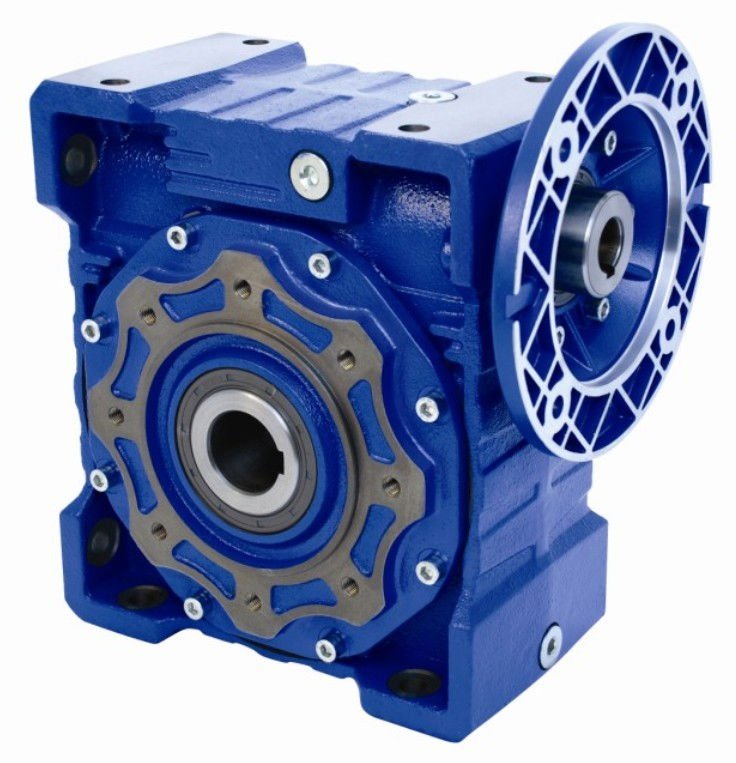
Versatile Mounting and Robust ConstructionThe M Series Helical Gear Unit offers both flange and foot mounting options, allowing for seamless integration into a variety of industrial systems. Its robust monoblock housing, precision-machined from cast iron or alloy steel, ensures long-term performance and exceptional durability, even in heavy-duty applications.
Superior Performance and EfficiencyBoasting a gear efficiency of up to 96%, this unit is designed for high-output torque requirements (up to 14,000 Nm) and power ratings reaching 160 kW. Multiple cooling and lubrication methods, combined with a service factor of 1.5 to 2.0, guarantee reliable operation across a temperature range of -20C to +50C.
Enhanced Protection and SafetyWith IP55 or IP65 protection class, the gear unit withstands dust and water ingress in various industrial environments. Its low operational noise level (below 75 dB) and advanced surface treatments (powder coated or painted) create safe and enduring solutions for continuous industrial use.
FAQ's of M Series Helical Gear Unit:
Q: How is the M Series Helical Gear Unit installed in an industrial setup?
A: The unit can be mounted using either flange or foot mounting methods, providing flexibility for integration into different equipment configurations. Installation is straightforward and can be adapted to suit specific system requirements.
Q: What cooling and lubrication methods are available for this helical gear unit?
A: The M Series supports both natural and forced air cooling. For lubrication, it offers splash or forced lubrication, allowing customization based on load conditions and ambient temperatures to ensure optimal performance.
Q: When is this gear unit recommended for use?
A: The gear unit is suitable for applications requiring high torque, low output speed (0.13-259 RPM), and reliable, continuous operation in a temperature range of -20C to +50C. It excels in demanding environments due to its sturdy construction and advanced protection features.
Q: Where does the gear unit provide the most benefit in terms of usage?
A: It is ideal for use in material handling, conveyors, mixers, and other machinery in manufacturing plants, processing facilities, and heavy industries where durability, low noise, and efficient power transmission are needed.
Q: What are the main benefits of the precision-machined, robust monoblock housing and hardened alloy steel shafts?
A: These features provide the gear unit with exceptional strength, long service life, and high resistance to wear. Precision machining ensures smooth gear meshing, while hardened shafts and robust housing support continuous operation under heavy loads.
Q: How does the unit maintain low noise levels during operation?
A: The helical gear tooth profile and precision machining contribute to reduced vibration and smooth gear engagement, maintaining operational noise below 75 dB even at high loads and speeds.
Q: What is the process for maintaining this gear unit for extended service life?
A: Regular checks of lubrication levels, cooling systems, and surface integrity (coating or paint) are recommended. Leveraging forced or splash lubrication, as appropriate, along with periodic inspections, ensures sustained efficiency and reliability.











 Send Inquiry
 Send Inquiry
 Call Me Free
