Solenoid Brake for EOT Crane About
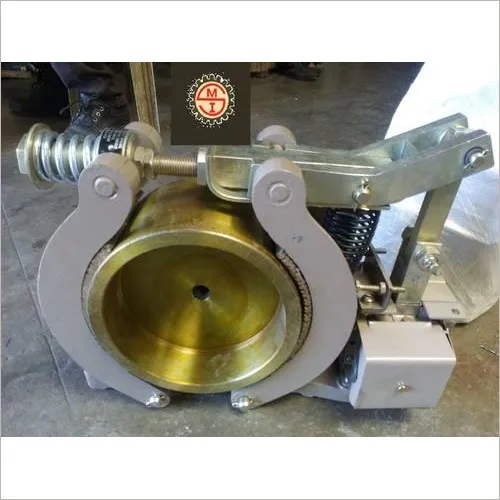
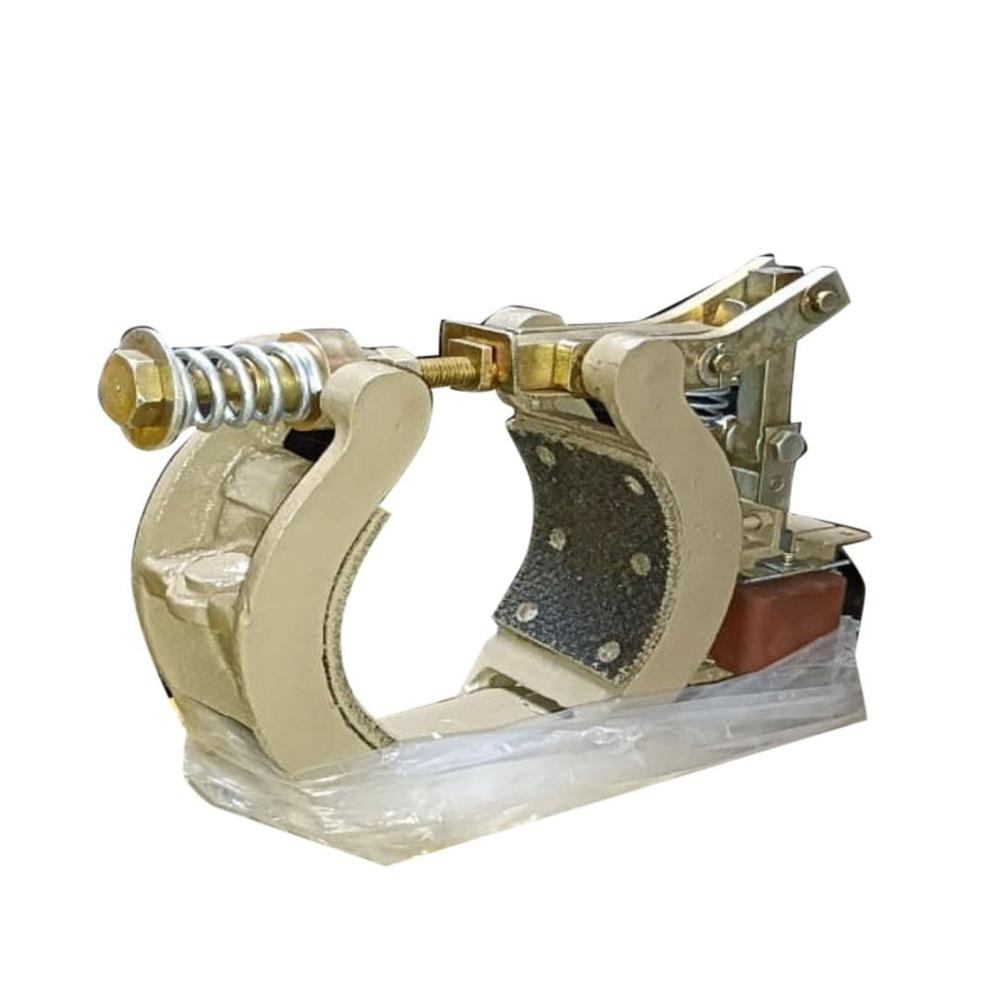
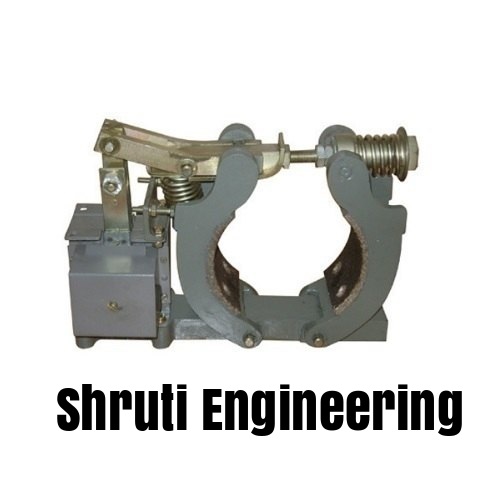
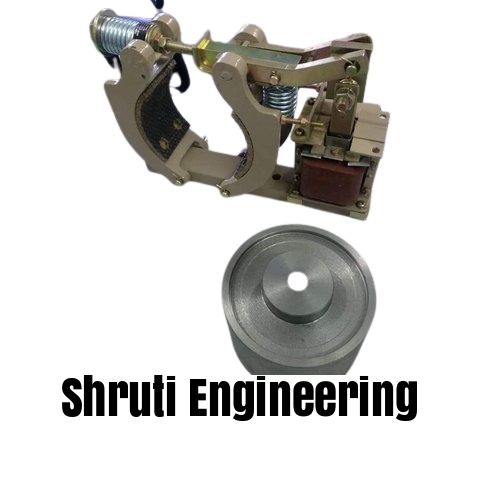
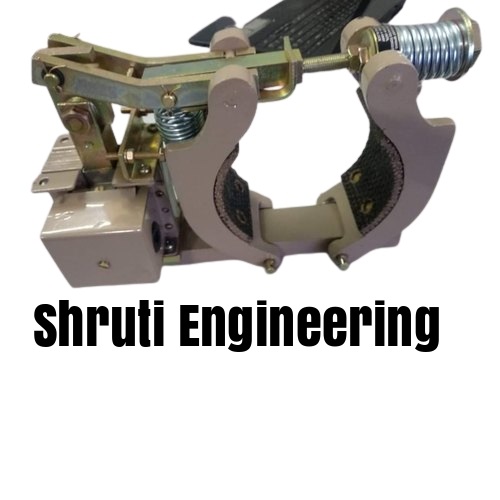
Our AC Solenoid Brake for EOT Crane is specially designed for Electric Overhead Traveling (EOT) cranes, delivering precise, reliable, and fail-safe braking for heavy-duty lifting operations. Equipped with a high-quality AC solenoid coil, it ensures instant stopping and controlled motion, enhancing both safety and operational efficiency.
With robust construction and premium materials, this brake offers smooth, vibration-free, and low-noise performance, making it ideal for continuous industrial use.
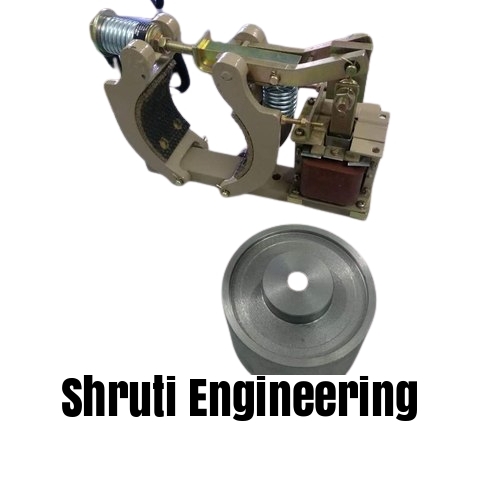
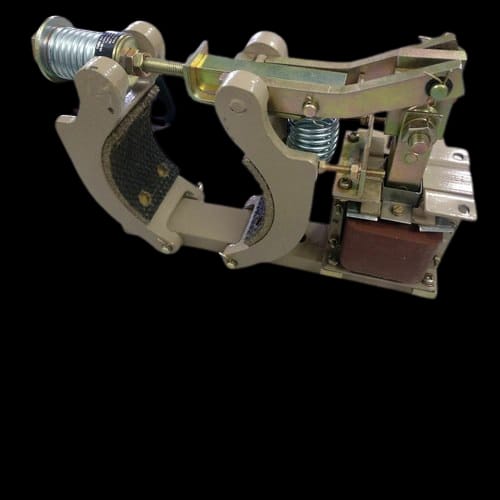
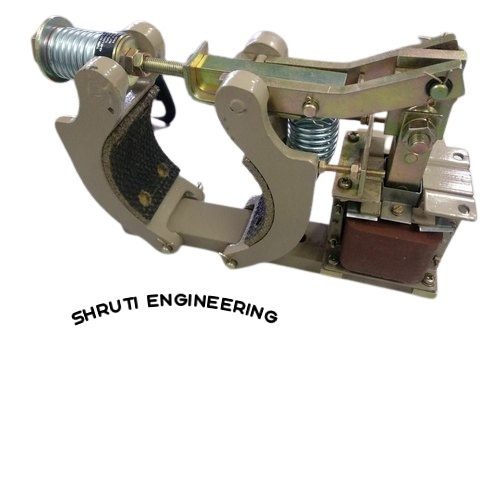
Fast-Acting Safety for Industrial CranesEngineered specifically for EOT cranes, this electro hydraulic thruster-operated brake ensures immediate brake engagement thanks to its sub-second response time. Its robust construction and high friction, asbestos-free liner enable efficient stopping power and prolong lifespan, even under heavy-duty, repetitive operations. Advanced corrosion resistance adds reliability in varied environmental conditions.
Versatile Mounting & Durable DesignBuilt for foot mounting, the brake maintains secure installation on a variety of crane models. With insulation classes F/H and a sturdy cast iron/steel assembly, it tackles demanding industrial routines with ease. The round drum and lever mechanism support superior mechanical stability, tailored to capacities from 1 to 50 tons and drum diameters between 150-300 mm.
Reliable and Efficient PerformanceThis brake system supports a range of operational cycles (S1-S3), making it perfect for both continuous and intermittent crane activity. Electrically released and spring-applied, it ensures fail-safe holding and smooth stopping. Its high-quality finish, temperature resistance, and export-ready build suit versatile industrial requirements and compliance needs.
FAQ's of Solenoid Brake for EOT Crane:
Q: How does the electro hydraulic thruster operated shoe brake function in an EOT crane system?
A: The brake operates via an electro hydraulic thruster that releases the spring-applied mechanism when electrical power is supplied, allowing crane movement. On power loss, the spring engages, stopping the crane instantly. Its fast-acting design ensures reliable halting within less than one second for safety and control.
Q: What is the recommended operating temperature range for this solenoid brake?
A: The solenoid brake is designed to perform efficiently within a temperature range of -10C to +60C, ensuring consistent operation across most industrial environments, including indoor and moderately harsh outdoors.
Q: Where is the typical mounting location for this brake on an EOT crane?
A: This brake is foot mounted, meaning it is securely bolted to the base or stationary part of the EOT crane structure, ensuring stable operation and straightforward integration into various crane designs.
Q: What process ensures the brake liner's durability and safety?
A: The brake liner is constructed using an asbestos-free, high friction material with a thickness of 6 mm to 8 mm. This not only improves safety by eliminating hazardous asbestos but also ensures long-term durability and optimal friction performance under extensive use.
Q: When should this brake be selected over other types for EOT cranes?
A: This brake is ideal for scenarios requiring rapid response, high-duty cycles (continuous or intermittent), high load capacities (1-50 tons), and enhanced safety due to its fast response time and robust, corrosion-resistant build. It's especially suitable for critical industrial handling applications.
Q: How does the insulation class F/H benefit operational reliability?
A: Insulation class F/H allows the brake's electrical components to withstand higher temperatures without degradation, enhancing reliability and service life even in settings with continuous or heavy-duty operation.
Q: What are the main benefits of using this solenoid brake for material handling systems?
A: The main benefits include exceptional stopping performance, rapid response, long-lasting brake liners, high temperature and load endurance, and minimal maintenance. These features contribute to increased operational safety, lower downtime, and efficient crane management in industrial environments.












 Send Inquiry
 Send Inquiry
