DC Brake About
DC Brake for Hoist MotorProduct Description:
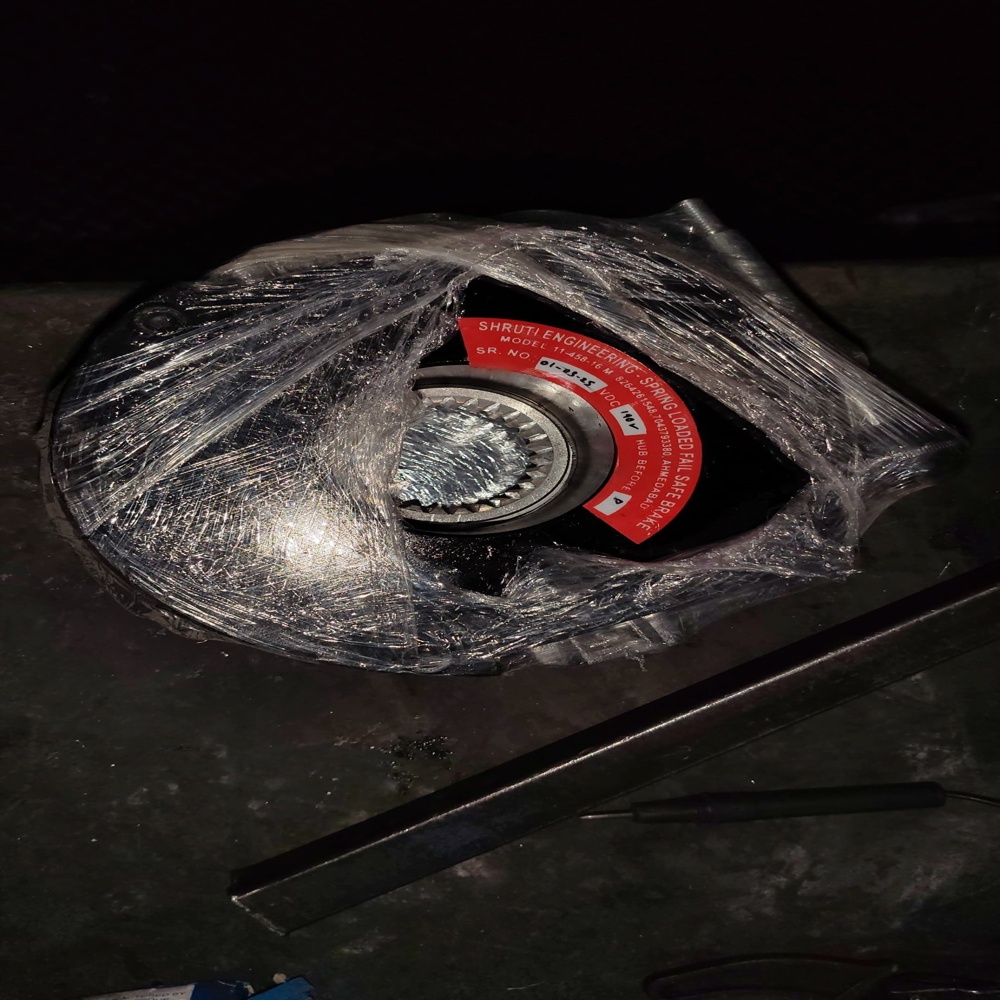
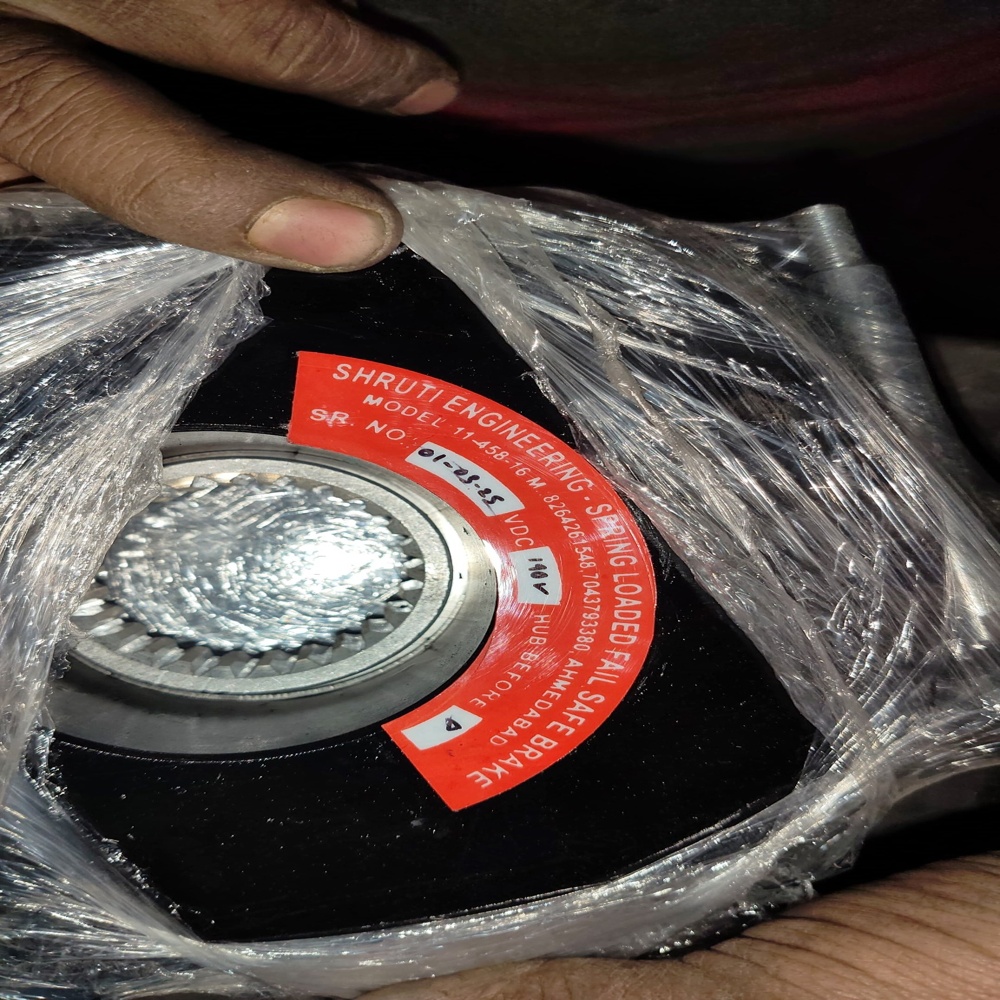
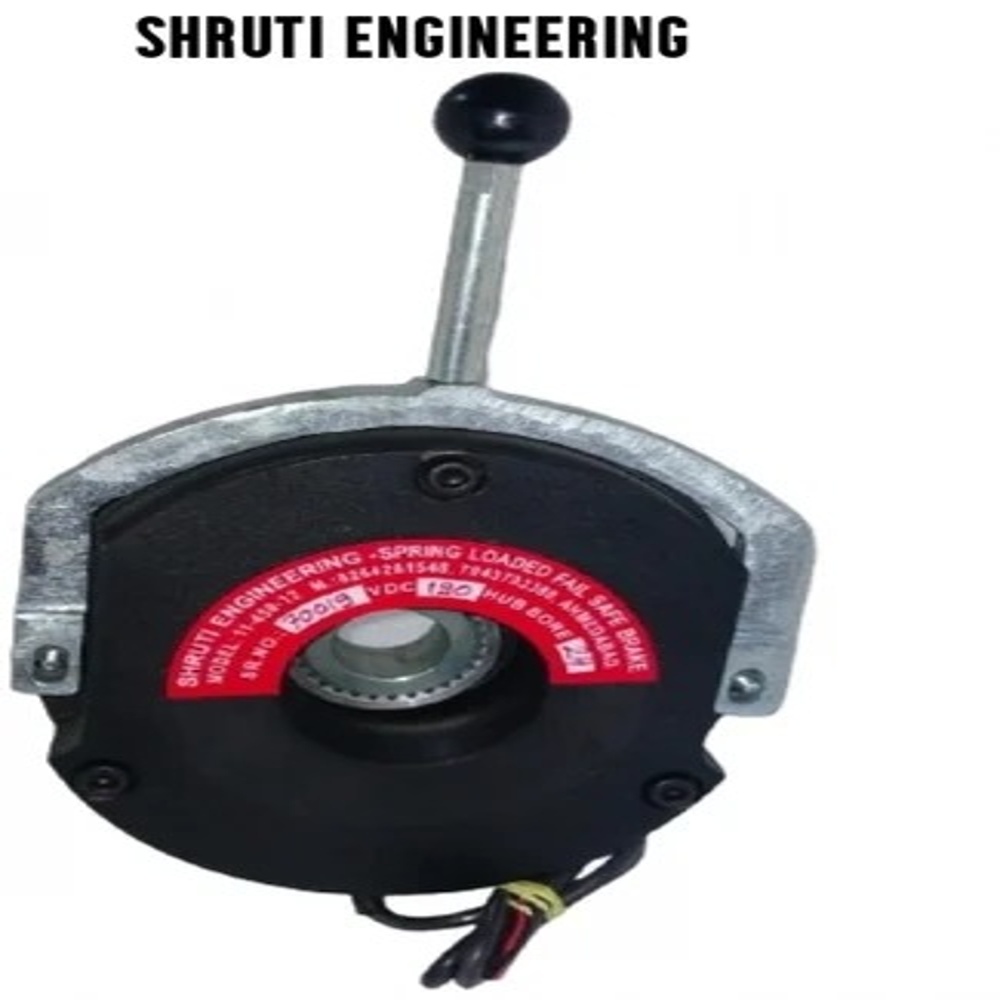
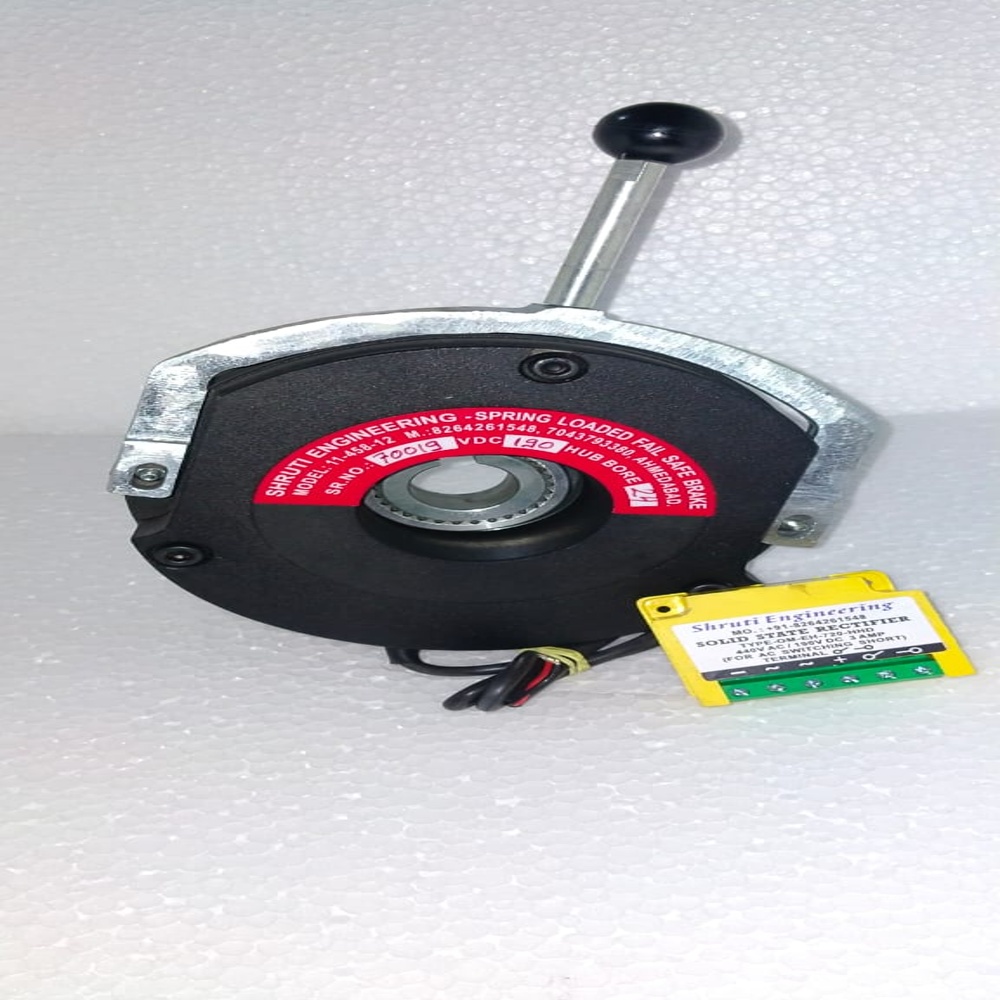
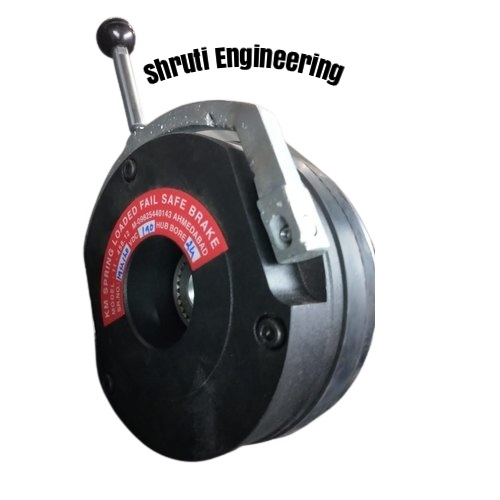
The DC Brake for Hoist Motor is a precision-engineered fail-safe electromagnetic brake designed to provide instant stopping, accurate load holding, and complete safety in lifting and hoisting applications. It operates on DC voltage and automatically engages when the power supply is switched off, ensuring that the load remains securely held without any movement.
Manufactured using high-quality magnetic materials and robust cast iron housing, this brake offers consistent performance, quick response, and long service life making it ideal for EOT cranes, hoists, and material handling equipment.
Reliable Performance for Industrial DemandsEngineered to deliver consistent braking power, the SE DC Brake is designed for demanding environments such as cranes, hoists, and industrial equipment. Its spring-loaded fail-safe mechanism ensures the highest safety standards, while the fast-acting response keeps machinery secure even during power loss or emergency stops.
Durable Construction and Quality MaterialsBuilt from high-strength cast iron and steel, the SE DC Brake is powder coated for additional protection against wear, corrosion, and adverse conditions. Available in flange-mounted configurations and various diameters, these brakes are tailored to fit a broad scope of industrial machines while retaining structural integrity.
Easy Installation and Low MaintenanceDesigned for convenience, the flange-mounted configuration simplifies the installation process on electric motors and machinery. With insulation classes F or H and a low-maintenance build, the SE DC Brake minimizes downtime, helping your operations run smoothly and efficiently.
FAQ's of DC Brake:
Q: How does the spring-loaded fail-safe mechanism work in the SE DC Brake?
A: The spring-loaded fail-safe design means that the brake is applied automatically when power is lost or switched off. When electric current is provided to the brake coil, it releases the brake, allowing the machinery to function. Upon power cut or fault, the spring instantly engages the brake, ensuring reliable stopping motion and enhanced safety.
Q: What are the main applications of the SE DC Brake?
A: SE DC Brakes are mainly used in electric motors, hoists, cranes, and various types of industrial machinery that require quick, dependable stopping action for safety and operational control. Their adaptable mounting and robust construction make them suitable for a wide range of industrial environments.
Q: When should the SE DC Brake be maintained, and how often is maintenance required?
A: These brakes are designed for low maintenance requirements. Regular visual inspections and occasional functional checks are generally sufficient. It is advisable to follow the manufacturer's service intervals, typically after set operating hours or during routine machinery maintenance schedules, to ensure optimal performance.
Q: Where can the SE DC Brake be installed?
A: They are compatible with industrial equipment where fast-acting, reliable stopping power is crucial-primarily on electric motors and related machinery in manufacturing facilities, warehouses, and construction sites. The flange-mounted design provides easy integration into existing setups.
Q: What is the installation process for a flange-mounted SE DC Brake?
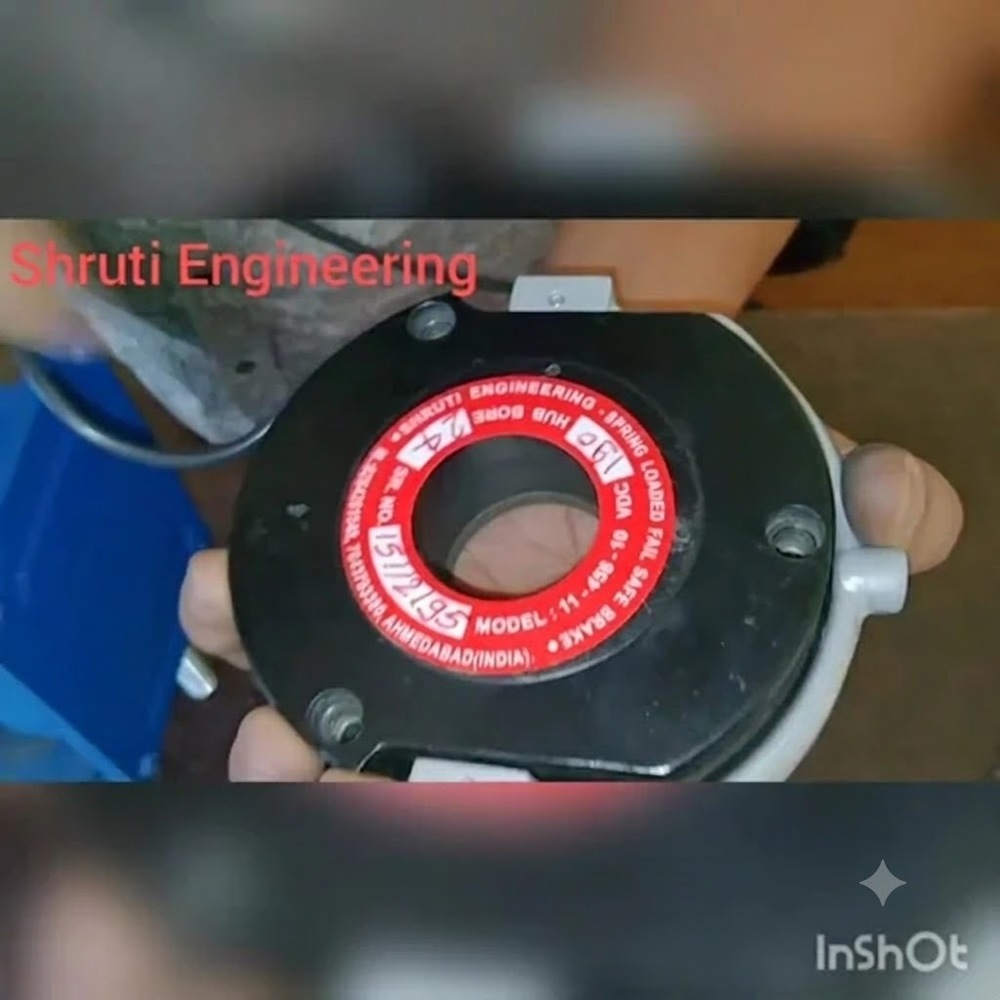
A: Installation involves secure attachment of the brake unit to the designated flange interface on the machinery. Electrical connections are then made according to the specified voltage (24V, 190V, or 220V DC). It is important to align the brake properly and follow the manufacturer's guidelines for wiring and mechanical fitment.
Q: How does the fast-acting response time benefit industrial operations?
A: With its rapid, millisecond-level response time, the SE DC Brake ensures immediate stopping of machinery, reducing the risk of accidents and equipment damage during emergencies. This enhances plant safety and operational reliability by allowing precise and predictable machine control.
Q: What factors should be considered when selecting the correct model and size for an application?
A: Consider the operating voltage, required loading capacity, shaft diameter, available mounting space, and environmental protection needs (IP44/IP54). Matching these parameters with the specific requirements of your machinery ensures optimal performance and longevity of the brake system.













 Send Inquiry
 Send Inquiry